Local SEO is dead. Local entity SEO is what's next.
The discipline most agencies still call "local SEO" was built for a Google that doesn't exist anymore. The new game is entities, and most agencies aren't ready for it.
The discipline most agencies still call "local SEO" — citations, NAP consistency, Google Business Profile category-stuffing, neighborhood-page-cookie-cuttering — was built for a version of Google search that effectively no longer exists.
The new game is entities. It's been the new game for two years. Most agencies aren't running it because they can't.
What changed
In 2014, ranking a local business was about telling Google three things, redundantly, in as many places as possible: name, address, phone number. Citations on every directory. Same NAP everywhere. A neighborhood page for every neighborhood. A keyword-stuffed Google Business Profile description.
In 2024, all of that still gets you to the table. None of it wins.
What wins now:
- Google understands your business as an entity in its Knowledge Graph, not as a string of NAP citations.
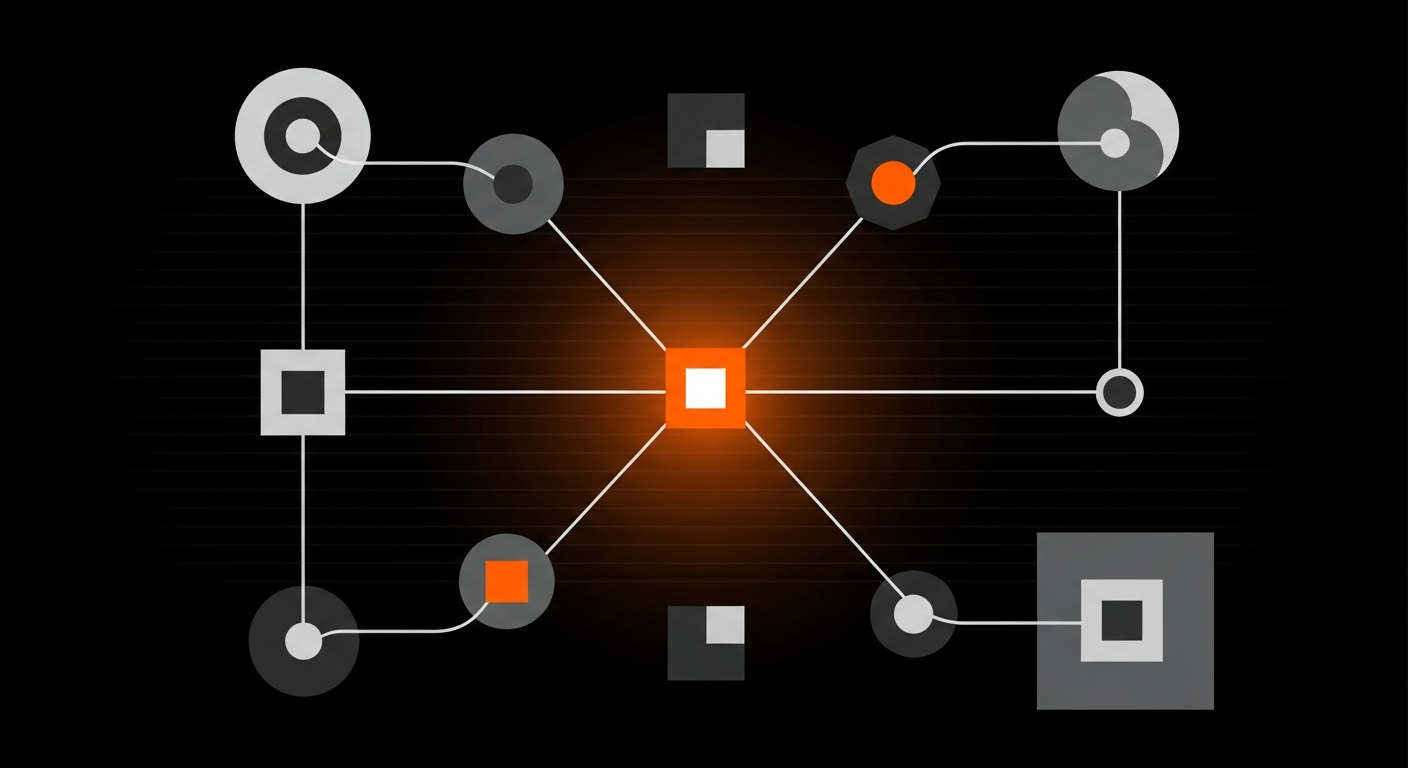
- That entity is connected to other entities — practitioners, services, products, events, locations — that Google also understands as entities.
- Those connections are encoded in structured data that Google's parsers can verify.
- The entity has reliable third-party signals confirming it exists, is trustworthy, and is what you say it is.
This is also exactly what the LLMs reward, which is not a coincidence. Google AI Overviews, ChatGPT, Perplexity, and Gemini all run on the same underlying paradigm: entities, relationships, evidence.
What "local entity SEO" actually means
Six things, in roughly this order of leverage.
1. Establish your business as an entity, formally. Wikidata and Wikipedia entries where applicable. Verified Knowledge Graph card. Disambiguated brand mentions across the web. This is the part most agencies skip because it's slow and not invoiceable monthly.
2. Establish the entities you contain. Your locations are entities. Your services are entities. Your practitioners — doctors, attorneys, stylists, instructors — are entities. Each one needs its own structured-data presence with sameAs links to LinkedIn, professional directories, licensure registries, reviews.
3. Encode the relationships in schema. LocalBusiness linked to Service linked to Offer linked to PriceSpecification. Person linked to Organization. These aren't bullet points on a marketing page; they're machine-readable facts.
4. Earn evidence at the entity level. Reviews specific to a practitioner. Press mentions specific to a service line. Awards specific to a location. Aggregate reviews on your homepage are useful but de-prioritized — entity-level evidence wins.
5. Make the entity layer visible in your URL and content structure. A practice with /dentists/dr-smith and a fully-marked-up page wins over a practice with /about/our-team. Same with /services/root-canal over /services.
6. Then do the boring stuff. Citations, NAP, neighborhood pages — still useful. Just not what's actually moving the needle anymore.
Why most agencies can't do this
Because it requires engineering, not blogging.
Building entity infrastructure means writing typed schemas, validating them in CI, hand-tuning JSON-LD, and treating your CMS as a structured-data store rather than a WYSIWYG. That is not what your local SEO retainer agency was set up to do.
We've talked about why we shipped structured-data-first websites in 2022 — it's the same conversation. The discipline that wins in 2026 was the bet you needed to make in 2022.
What to do this week
If you're paying for "local SEO" and the deliverables are blog posts, citation cleanup, and Google Business Profile optimization — get a second opinion. Those things are necessary. They are not sufficient. They have not been sufficient for two years.
If you want a fast read on whether your business is set up as an entity or just as a website, the Marketing Maturity Assessment covers it directly. The "Get Found" pillar maps almost one-to-one onto whether you're playing the entity game.